Treatments

Pelvic Floor Physiotherapy in Mississauga

Restore confidence, comfort and function with private, one-on-one pelvic health physiotherapy.

Book an AppointmentFree 20-Min Consult

Direct billing

To most extended health plans

1-on-1 care

Every visit, no assistants

No referral needed

Book directly with us

Free 20-min consult

In person or by phone

Pelvic Floor Physiotherapy at Thrive Physio

Restore confidence, comfort and function — bladder, core, pelvic health & quality of life.

What is Pelvic Floor Physiotherapy?

Pelvic floor physiotherapy is a specialized form of physiotherapy that assesses and treats the muscles, connective tissue, and biomechanics of the pelvic floor — the group of muscles that support the bladder, bowel, and (in people assigned female at birth) uterus and pelvic organs.

Depending on your history and symptoms, a pelvic floor physiotherapy session may include an external and/or internal assessment, postural and core evaluation, and creation of a tailored exercise and rehabilitation program.

Who can benefit — Common Conditions We Treat

At Thrive Physio, our pelvic floor physiotherapy program can help people experiencing various pelvic health issues, including but not limited to:

  • Urinary incontinence: stress, urge, or mixed incontinence 
  • Fecal incontinence or bowel urgency/constipation 
  • Pelvic organ prolapse (bladder, uterus, rectum) or heaviness/pressure sensations
  • Pelvic pain (chronic pelvic pain, tailbone pain, pain during intercourse / dyspareunia, vaginismus, vulvodynia, pudendal neuralgia, interstitial cystitis / bladder pain)
  • Postpartum recovery (muscle weakness, diastasis recti, scar tissue mobilization, bladder/bowel issues)
  • Post-surgical rehabilitation (gynecological surgeries, prostate surgery, pelvic surgeries) 
  • Core instability / low back or hip pain related to pelvic floor dysfunction
  • Sexual dysfunction (painful intercourse, erectile dysfunction, pelvic floor muscle issues) in people of any gender.

We believe pelvic health is for everyone — not only after childbirth or for women. Men, older adults, athletes, and anyone experiencing pelvic floor issues can benefit.

Why Pelvic Floor Physiotherapy Works

Improved bladder & bowel control

Targeted rehabilitation can significantly reduce or eliminate urinary/fecal incontinence and urgency.

Relief from pelvic pain & discomfort

Through muscle re-education, manual therapy, relaxation (for tight muscles), or strengthening (for weak muscles) — physiotherapy can relieve chronic pelvic pain, muscle tension, and improve function.

Better core stability & posture

The pelvic floor is part of your “core” — strengthening and integrating it improves posture, reduces strain on your spine, and enhances overall stability and movement quality.

Improved sexual health & comfort

For many people, pelvic floor therapy can reduce pain during sex (or penetration), improve muscle coordination, and increase comfort and intimacy.

Postpartum and post-surgical recovery

Physiotherapy supports recovery of pelvic floor strength after childbirth or surgery, aids scar tissue recovery, and helps prevent long-term dysfunction.

Holistic and non-surgical

Pelvic floor physiotherapy provides a natural, non-drug, non-surgical first-line treatment for many pelvic floor disorders.

What to Expect During Your First Appointment

 1. Comprehensive Assessment

  • Intake of your medical history, symptoms (bladder/bowel habits, pain, sexual concerns, surgeries, childbirth, lifestyle). 
  • External and, if indicated and with consent, internal examination (vaginal or rectal) to assess pelvic floor muscle tone, strength, coordination, and identify contributing factors (posture, hip alignment, back, core, soft tissue). 
  • Postural, core and movement assessment, including low-back, hips, hips alignment and biomechanics that can affect pelvic floor function.

2. Individualized Treatment Plan

Tailored exercises

strengthening (e.g. Kegels, bridges) or relaxation/release (e.g. for tight pelvic floor), depending on whether the dysfunction is due to weakness or over-tension.

Manual therapy techniques (soft tissue release, myofascial release, internal or external work) as needed to address muscle tension, trigger points, scar tissue, or nerve sensitivity.

Education and lifestyle guidance

posture, bladder/bowel habits, breathing, lifting/carrying advice, behaviours to support pelvic health (e.g. bladder “bracing” before cough/laugh, diet adjustments, movement, core stability).

Ongoing re-evaluation

as your symptoms improve, plan evolves — adjust exercises, incorporate other therapies (core rehab, hip/back work) as indicated.

3. Supportive, Respectful Environment

We handle sensitive topics (incontinence, sexual pain, internal exams) with utmost professionalism, privacy, and comfort.

Consent and comfort are always prioritized

internal examinations are optional and only performed when necessary and agreed upon.

Why Choose Thrive Physio

Specialized Pelvic Health Expertise

our physiotherapists have advanced training in pelvic floor assessment and rehabilitation (internal/external)

Customized Treatment Plans

not “one-size-fits-all” — we tailor exercises and therapy to each individual’s needs, history, and goals

Holistic Approach

we consider your posture, core strength, movement patterns, lifestyle, and how pelvic floor health integrates with overall body mechanics

Safe, Respectful & Confidential Care

we understand pelvic health is private; we provide a professional, judgment-free, supportive setting

Empowerment Through Education

we guide you not just through therapy, but teach you how to maintain pelvic health long term
Questions

Frequently Asked Questions

A: No. People of all genders — men and women — can benefit. Pelvic floor dysfunction (weakness or tightness) can affect urinary/bowel function, pelvic pain, sexual function, and more, regardless of gender.

A: Not always. At Thrive Physio we assess each individual case. External assessment, posture and movement evaluation, and core/pelvic floor strength testing may suffice. Internal exam is only performed when indicated and with full consent.

A: Not necessarily. While strengthening exercises (like Kegels) are beneficial when pelvic floor muscles are weak, they can make things worse if muscles are overly tight or hypertonic. That’s why proper assessment and guidance from a specialized physiotherapist is key.

A: It depends on the condition, severity, and consistency. Some people notice improvement in bladder/bowel control or pain within a few weeks of guided therapy + home exercises; others (e.g. longstanding pelvic pain, prolapse, chronic dysfunction) may take longer. We’ll design a personalized program and re-evaluate regularly.

A: Yes. When conducted by trained physiotherapists, pelvic floor physiotherapy is a safe, non-surgical, non-pharmaceutical approach to treat pelvic floor dysfunction.

A: Yes. Pelvic Floor Physiotherapy is eligible for coverage under your extended health plan, as it is delivered by a Registered Physiotherapist specialized in pelvic floor rehabilitation.
Explore More

Related Care at Thrive Physio

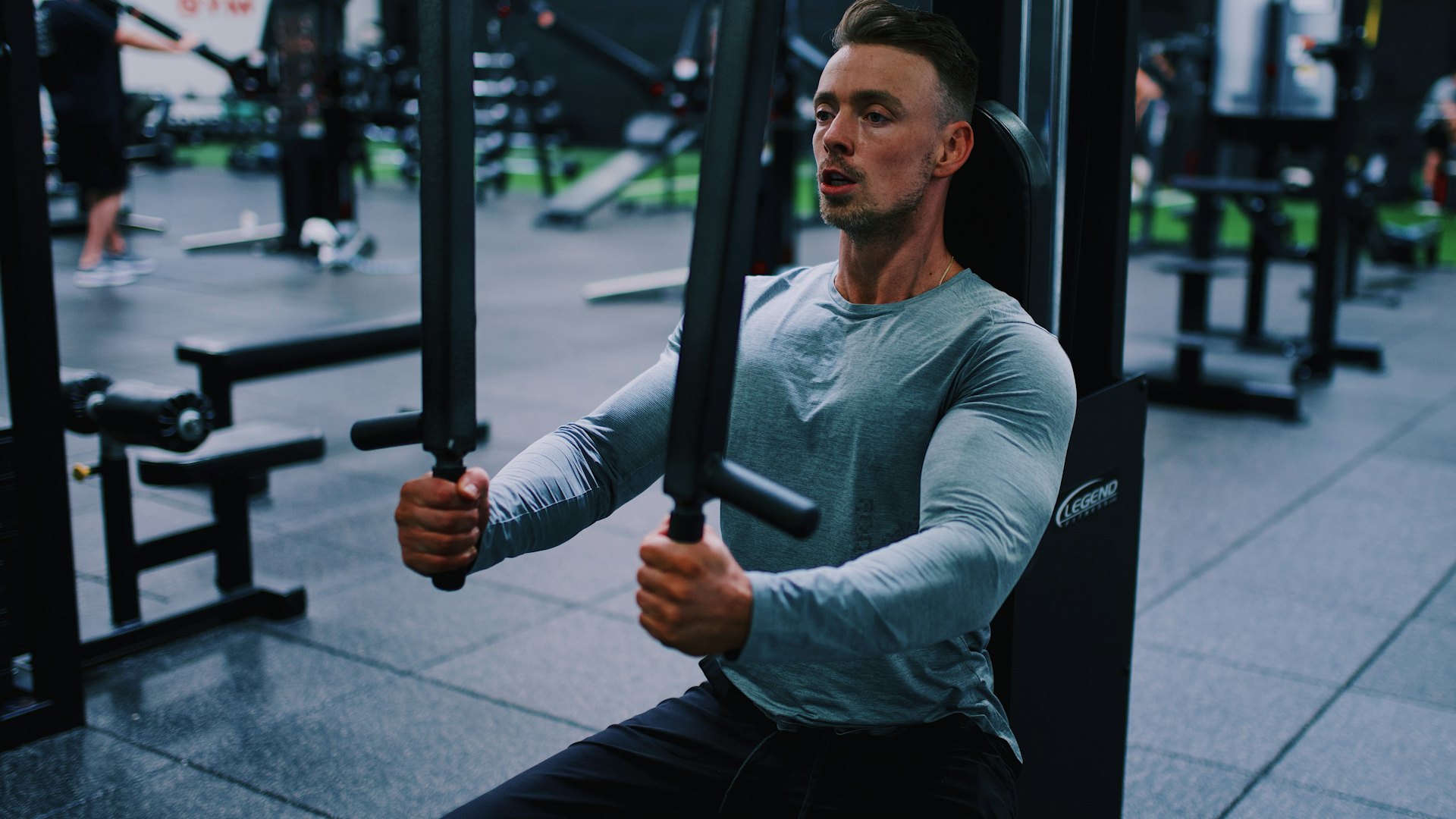
Patient rebuilding strength on a gym machine after surgery

Post-Surgical Rehabilitation

A phase-by-phase plan to rebuild mobility and strength safely after surgery.
Learn More
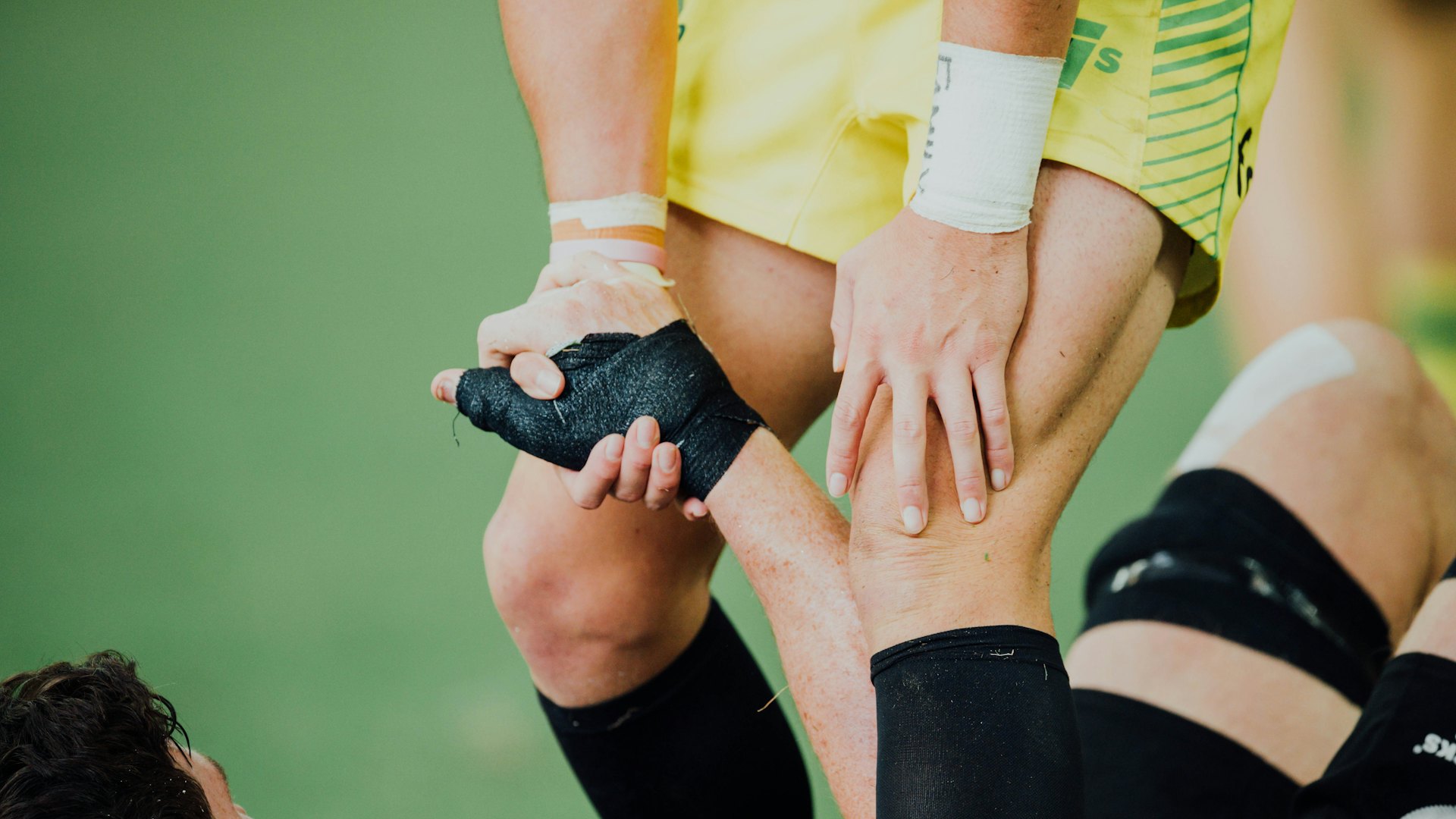
Athlete with a lower-leg sports injury on the field

Sports Injury & Performance Rehab

Recover from sports and training injuries and come back moving better.

Learn More
Runners training at sunrise

Knee Pain Rehab

Get back to stairs, running and training without knee pain holding you back.

Learn More

Ready to Feel Better?

Book online in minutes, or start with a free 20-minute consult to find the right care for you.

Book an AppointmentFree 20-Min Consult